Bicycle Accident Lawyer Help for Side-Impact Collisions
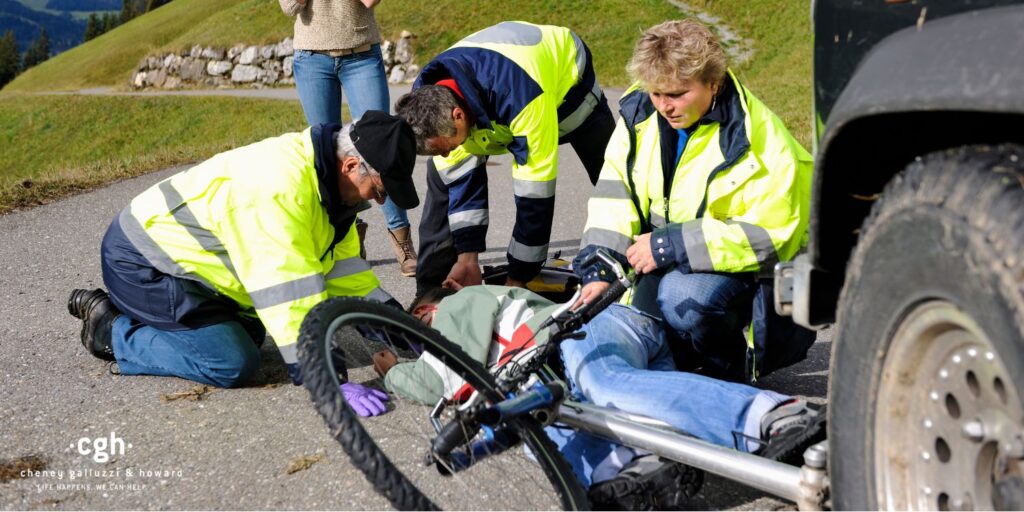
Side-impact bicycle crashes are often described with dry labels like "broadside" or "T-bone," but the reality is blunt and violent. A rider is moving through an intersection, driveway, parking lot exit, or side street. A car cuts across the travel line. The bicycle has almost no protective structure, no door frame, no airbag, no crumple zone. The rider takes the force directly, often to the leg, hip, shoulder, ribs, or head, then gets thrown onto pavement or under another vehicle’s path.
These are not routine fender benders. They tend to produce complicated injuries, stubborn liability disputes, and insurance arguments that start almost immediately. A Bicycle Accident Lawyer can make a substantial difference in these cases, not just by filing paperwork, but by identifying how the impact occurred, preserving evidence before it disappears, and presenting the cyclist as a person who was using the road lawfully rather than as an afterthought in a driver’s narrative.
Why side-impact crashes create especially difficult claims
A rear-end collision often looks straightforward. Side-impact bicycle cases are different. The key dispute is frequently not whether contact happened, but who had the right of way, who was visible, whether the driver failed to yield, whether the cyclist was in a bike lane or crosswalk, and whether road design contributed to the crash.
Those details matter because insurers love ambiguity. When a driver says, "I never saw the bicyclist," that statement can become the centerpiece of a defense. It should not. Failing to see a rider who was there to be seen is often evidence of negligence, not an excuse. Still, proving that requires more than outrage. It takes evidence, timing, and a disciplined reconstruction of the event.
Many side-impact cases also involve low to moderate vehicle speeds that insurers try to minimize. They may argue that because the car was turning slowly, the injuries should be minor. Anyone who has worked around bicycle trauma knows how misleading that is. A vehicle moving 10 to 20 miles per hour can shatter a knee, break a pelvis, tear shoulder ligaments, or cause a concussion that lingers for months. The rider’s body absorbs force differently than an occupant inside a car.
Where these collisions happen most often
The classic setting is the intersection, but side-impact crashes show up in several recurring locations. A driver turns left across an oncoming cyclist. A driver exits a driveway and strikes a rider traveling along the roadway or sidewalk. A motorist rolls through a stop sign at a neighborhood crossing. A delivery van noses out of an alley with poor sight lines. A driver making a right turn cuts off a cyclist continuing straight in a bike lane.
Parking lots deserve special mention. People do not think of them as serious crash zones, yet they generate a surprising number of broadside bicycle impacts. Speeds are lower, but visibility is bad, lanes are informal, and drivers are distracted. Children and recreational riders are particularly vulnerable there. Liability can also get messy because private property layouts, signage, and maintenance issues sometimes enter the picture.
A seasoned Bicycle Accident Lawyer looks at these locations differently from the average observer. The question is not simply where the vehicles met. The question is what choices, warnings, sight obstructions, and traffic controls existed in the seconds before impact.
The injury pattern tells part of the story
In many side-impact cases, the medical record helps confirm how the crash happened. That is useful when the driver’s account shifts or when there were no neutral eyewitnesses.
A rider struck from the side may present with impact injuries on one flank, rotational injuries from being twisted off the bike, and secondary injuries from the ground strike. Lower extremity fractures are common when the bicycle frame and the vehicle pin the rider’s leg at the moment of contact. Hip injuries, wrist fractures, clavicle breaks, and shoulder separations also show up often because riders instinctively try to brace during the fall. Head injuries range from mild concussion symptoms to severe traumatic brain injury, even with a helmet.
The practical consequence is that damages in these cases are often broader than the initial emergency room chart suggests. A broken wrist is not just a broken wrist if the patient is a carpenter, dental hygienist, surgeon, mechanic, or parent of a toddler. A hip labral tear may look less dramatic than a fracture but can become life-changing if pain persists and surgery is recommended months later. Side-impact cases reward patience because some injuries reveal their full seriousness only after swelling fades and daily limitations become obvious.
What a Bicycle Accident Lawyer actually does in these cases
People sometimes picture personal injury work as a stack of forms and a demand letter. In a side-impact bicycle case, the real work begins much earlier. Good legal help often changes the outcome because the evidence decays fast. Skid marks fade, vehicle damage gets repaired, surveillance footage is overwritten, and witnesses stop answering unknown numbers.
A careful lawyer usually starts by locking down the basic proof. That means obtaining the crash report, identifying witnesses, requesting photos from the scene, securing body camera or dash camera footage if it exists, and sending preservation letters to businesses or property owners who may have captured the collision on video. In urban areas, a single camera from a gas station, apartment entrance, or city bus can settle a fight over right of way in seconds.
The lawyer also studies the road geometry. Was there a bike lane? Was it painted clearly? Did parked cars block visibility? Did a hedge or utility box obscure the cyclist from a driver exiting a driveway? Were there prior complaints about the intersection? Not every one of those facts becomes a central issue, but together they can turn a vague claim into a coherent liability case.
Medical proof is another major part of the job. Insurance carriers often cherry-pick records, pulling one phrase like "doing better" while ignoring six months of physical therapy, sleep disruption, work restrictions, and specialist referrals. A strong Bicycle Accident Lawyer builds a timeline that connects the injury to the rider’s actual life, not just diagnostic codes. That includes wage loss, future treatment, pain with basic movement, and the effect on commuting, childcare, and recreation.
The first days after a side-impact crash can shape the entire claim
What happens in the first 72 hours matters more than most cyclists realize. Some riders are shaken, embarrassed, or worried about their bike and wave off medical care. Others speak too freely to insurers before they understand their injuries. Neither reaction is unusual, but both can make a legitimate claim harder.
If a rider is physically able, a few early steps can protect both health and the eventual case:
- Get a medical evaluation promptly, even if adrenaline is masking pain.
- Photograph the bike, helmet, clothing, vehicle damage, and the exact area where the collision happened.
- Avoid giving a recorded statement to the driver’s insurer before getting advice.
- Keep receipts and notes about missed work, medications, transportation, and follow-up appointments.
- Save messages, ride data, and any communication from witnesses or the driver.
Those steps are simple, but they close common gaps that insurers exploit. A delayed doctor visit can be framed as proof that the injury was minor. A repaired bicycle with no photos can erase persuasive physical evidence. An early recorded statement can lock a rider into a guess about speed, signal timing, or lane position before the facts are clear.
Fault is often contested even when the driver seems obviously at fault
One of the more frustrating aspects of bicycle litigation is how often fault gets shared onto the rider. The arguments are familiar. The cyclist was moving too fast. The cyclist came out of nowhere. The cyclist should have been more visible. The cyclist was not exactly where the driver expected. The cyclist should have anticipated the turn.
Some of those arguments are legally weak, but they still have strategic value for insurers because comparative negligence can reduce the payout in many states. That makes factual detail crucial. A rider’s visibility gear, lights, lane position, hand signals, and route data may matter. So can the driver’s distraction, speed, turning angle, and line of sight.
This is where experience helps. A broad accusation that the cyclist was "hard to see" should trigger specific questions. Was it daylight or dusk? Were the driver’s windows tinted or dirty? Did the driver pause before turning? Was another vehicle blocking part of the view? Was the cyclist traveling in a designated lane? Did the driver admit looking only for cars? Small details change outcomes.
There are also cases where the cyclist made a mistake and still has a valid claim. Real life is rarely perfect. A rider may have entered a crossing too quickly, worn dark clothing, or drifted outside the ideal line. That does not automatically erase the driver’s duty to yield, keep a proper lookout, or avoid turning across a visible path. Good lawyering means facing those facts early and putting them in proportion.
How evidence gets built when there is no perfect witness
Not every case comes with crystal-clear video. Many are built piece by piece. The damage https://cashbdwm070.timeforchangecounselling.com/bicycle-accident-lawyer-tips-for-filing-a-strong-personal-injury-claim profile on the bicycle can show the side of impact. Scrapes on the pedal, fork, handlebar, or wheel can support the rider’s account of the vehicle angle. Helmet damage may corroborate the fall dynamics. Electronic ride data can place the cyclist on the route at a certain time and speed. Vehicle black box data is less common in everyday bicycle cases, but in some serious collisions it can reveal braking or speed changes.
Witness testimony deserves careful handling. People often remember the loud impact more clearly than the seconds before it. A witness may honestly say the cyclist "appeared suddenly" when, in fact, the witness only looked after hearing brakes. That does not make the witness dishonest, just limited. A Bicycle Accident Lawyer who understands that distinction can separate useful observations from assumptions.
Sometimes the strongest evidence comes from routine records. Delivery schedules, business surveillance retention logs, dispatch records, phone metadata, and even weather data can sharpen the timeline. If the driver was working at the time, employment and vehicle use issues may also matter. Commercial defendants usually defend harder, but they also tend to create more records.
Insurance companies rarely value bicycle harm correctly at the outset
Cyclists face a subtle but persistent bias in injury claims. Some adjusters view bikes as recreational devices rather than vehicles used for transportation, exercise, or both. They undervalue the seriousness of losing that mobility. They may also misunderstand the replacement cost of a road bike, e-bike, cargo bike, custom frame, or adaptive cycle. A high-end bicycle can cost several thousand dollars before accessories are counted. Helmets, lights, computers, shoes, child carriers, racks, and damaged electronics add up quickly.
More importantly, insurers often undervalue the bodily injury because they focus on whether the rider was hospitalized, not on how daily function changed after discharge. A person who can walk out of the emergency room may still be unable to commute, sleep comfortably, lift a child, return to manual work, or ride for many months. Those losses are real, but they have to be documented clearly.
Settlement timing is another trap. Early offers can feel tempting when the bike is wrecked, wages are interrupted, and medical bills are arriving. Yet side-impact injuries often evolve. Soft tissue injuries that seem manageable can lead to months of therapy. Concussion symptoms may interfere with concentration at work. Knee pain may later turn out to involve meniscus or ligament damage. Once a release is signed, reopening the claim is usually not an option.
Cases involving intersections deserve especially close analysis
Intersections produce some of the hardest factual disputes because multiple legal duties overlap. Traffic signals, stop signs, bike lane markings, turning movements, and pedestrian crossings all create room for disagreement. A rider may have had a green light but still face an allegation of unsafe speed. A driver may claim the cyclist was in a blind spot during a right turn. The exact moment each party entered the conflict zone becomes crucial.
Lawyers who handle these cases well often reconstruct the sequence second by second. They compare the rider’s direction of travel with the driver’s turn path. They check the signal timing if it is available. They inspect whether the bike lane continued through the intersection or disappeared, which affects where a rider would reasonably position themselves. They also examine whether the driver had a protected turn arrow or was required to yield.
Anecdotally, one recurring issue is the motorist who scans for other cars but not for bicycles. That is not a rare oversight. It is a known driving failure. In practice, many drivers are conditioned to judge gaps in traffic based on the size and speed of cars, then turn without fully registering a smaller road user. Legally, that habit can still be negligence.
Severe injury cases often need more than a simple demand package
When a side-impact crash causes surgery, permanent impairment, or long-term neurological issues, the claim becomes more technical. Future care may need projection. Work limitations may need vocational analysis. If the rider cannot return to a prior occupation or loses earning capacity, that damages category must be developed carefully and conservatively.
The same is true for chronic pain cases. They are legitimate, but they are often attacked because imaging may not fully capture the daily effect. A rider with persistent sacroiliac pain, post-concussive symptoms, or shoulder instability may look outwardly normal while struggling to work, drive, exercise, or sleep. Those cases are won through consistent medical records, credible testimony, and a damages presentation anchored in routine life rather than drama.
In fatal bicycle side-impact collisions, families face a completely different burden. While civil claims can never solve the central loss, they may address funeral expenses, lost financial support, and the value of the decedent’s relationship and role within the family, depending on state law. Those matters should be handled with precision and restraint.
Questions a lawyer will usually investigate early
A strong case review often turns on a short set of focused questions rather than a mountain of paperwork:
- Where exactly was the cyclist positioned when the vehicle began its turn or crossing movement?
- What traffic control devices governed both parties, and were they visible and functioning?
- Is there video, ride data, or vehicle damage that confirms the angle and timing of impact?
- What injuries are already documented, and what symptoms still need follow-up evaluation?
- Are there insurance coverage issues, including uninsured or underinsured motorist benefits?
That last point is easy to miss. In some cases, the at-fault driver has limited coverage or none at all. A cyclist may still have access to other policies, including their own auto policy or a household policy, depending on the jurisdiction and policy language. Coverage questions can be as important as fault questions, especially in severe injury cases.
Choosing the right legal help matters more than a flashy ad
Not every injury lawyer is comfortable with bicycle cases. That does not mean they are incapable, but it does mean the rider should ask direct questions. Has the lawyer handled side-impact bicycle claims before? Do they understand bike lane design, common turning conflicts, and cyclist visibility issues? Are they prepared to visit the scene, preserve evidence, and push back when the defense tries to recast ordinary cycling behavior as recklessness?
Communication style matters too. Riders dealing with fractures, headaches, therapy schedules, and insurance calls do not need vague reassurance. They need honest guidance. Sometimes that guidance includes difficult news, such as comparative fault exposure, weak property damage proof, or a medical gap that needs explanation. Straight answers are more useful than marketing confidence.
Fees and timing should also be discussed plainly. Most personal injury lawyers handle these cases on contingency, but clients should still understand costs, litigation risk, and whether the case is likely to settle or require filing suit. A professional relationship works best when expectations are realistic from the start.
What recovery can include beyond the emergency bill
People often think a claim is just reimbursement for the first hospital visit. In reality, a side-impact bicycle case may involve several categories of loss. Medical expenses usually come first, including emergency care, imaging, orthopedic treatment, neurology, physical therapy, medication, and possible future procedures. Lost wages and reduced earning capacity may follow, particularly when the rider has a physically demanding job or symptoms that affect concentration.
Then there is pain, limitation, and disruption. Those are easy to say and harder to measure. The strongest claims do not rely on abstract language. They show specifics. The rider who used to commute ten miles each way now pays for rideshares because they cannot tolerate handlebar pressure on a healing wrist. The chef who stood through dinner service now needs seated duty because of hip pain. The parent who used to tow a child trailer cannot safely ride at all. Those concrete changes are often what gives a case weight.
Property loss should not be treated casually either. A cracked carbon frame, bent wheelset, damaged e-bike battery, or destroyed helmet can represent a significant financial hit. Replacement value should be documented carefully with purchase records, photographs, and repair or replacement estimates.
The legal claim is only part of the rider’s real problem
One reason these cases deserve careful handling is that the injury claim runs alongside the rider’s actual recovery, not apart from it. Side-impact crashes can make people fearful of returning to the road even after bones heal. They may avoid intersections, stop riding to work, or abandon cycling entirely. That change affects fitness, independence, identity, and mental health. It may not appear neatly on a medical bill, but it is part of the loss.
A thoughtful Bicycle Accident Lawyer understands that the case is not about turning pain into a slogan. It is about translating a chaotic event into evidence, then into a claim that reflects what was taken and what will be required to rebuild. In side-impact collisions, that translation matters because the driver’s first explanation is often simple and self-protective: "I didn’t see the bike." A well-prepared case answers with facts, not volume, and shows exactly why that is not the end of the story.
CGH Injury Lawyers
2701 Lawrence St Suite 201
Denver, CO 80205, United States
Phone: +1 720-669-8062
FAQ About Bicycle Accident Lawyer
Who is at fault if a car hits a bicycle?
Fault depends on the evidence and the traffic rules that applied to the collision. A driver, cyclist, or another party may share responsibility. Police reports, witness accounts, video, and the physical evidence can help establish what happened. A collision with a car does not automatically determine legal fault.
Can you sue someone for hitting you on a bike?
You may have a claim when another person's negligent conduct causes your injuries and losses. The available evidence, applicable deadlines, insurance coverage, and any shared fault affect your options. A lawyer can review the circumstances and explain whether an insurance claim or lawsuit is appropriate; compensation is not guaranteed.
What percentage does an injury lawyer usually take?
There is no single percentage that applies to every injury case. Many lawyers use a contingency fee based on a share of the recovery, with the terms stated in a written agreement. Ask how the percentage is calculated, whether it changes during litigation, and how case expenses are handled before signing.
Corrections
Spot something wrong? Send it to the desk and it gets fixed in the open.